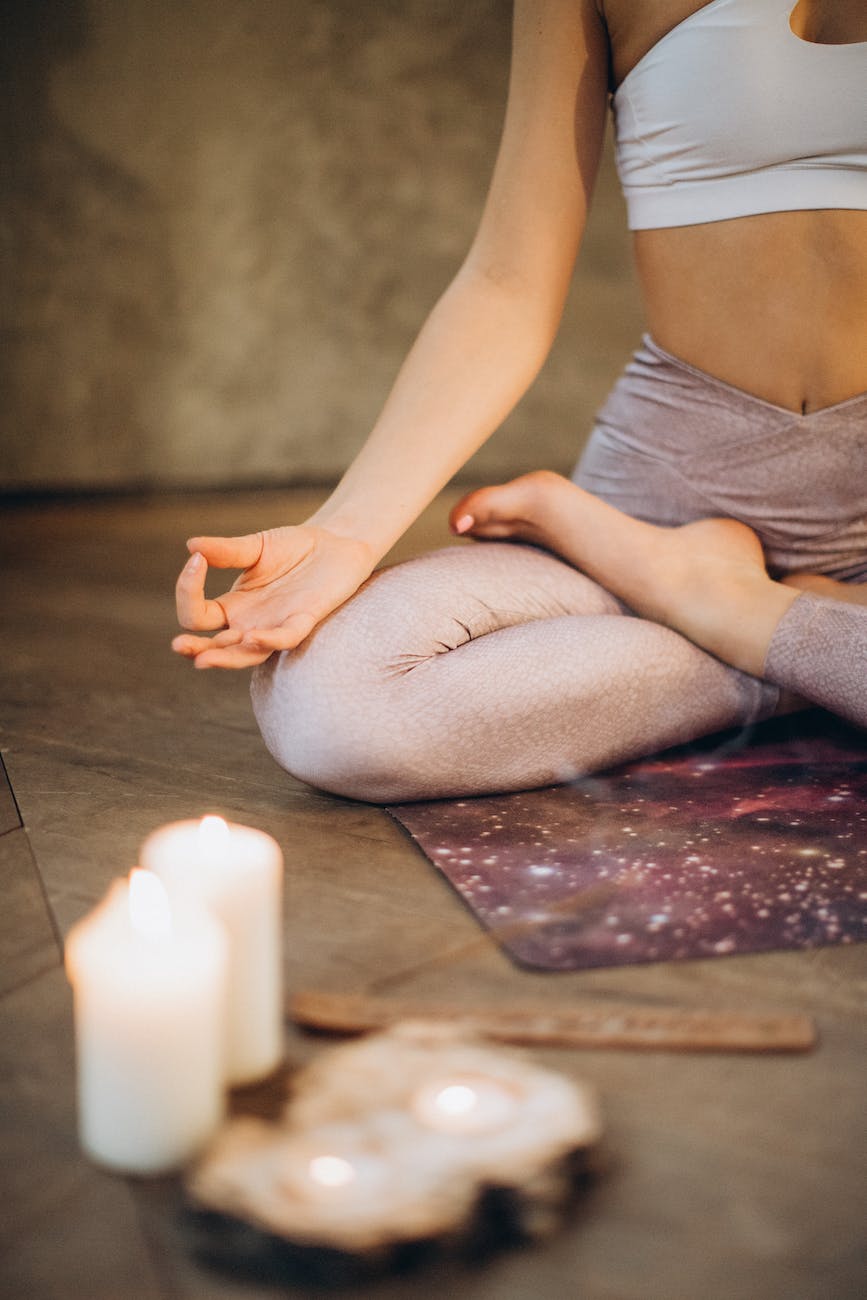
Imagine a busy bee buzzing around from flower to flower, collecting pollen and nectar. The bee is focused and determined, but it’s also enjoying the beauty of the flowers. Then, the bee sees a patch of clover and decides to take a break. The bee settles down in the clover and takes a few moments to just enjoy the moment. It’s a brief respite from its busy schedule, and it allows the bee to recharge and refresh. This is similar to the experience of meditation.
Meditation is a mind-body practice in which your attention is focused on the mind for a period of time. It comes in many forms and can be practiced almost anywhere as long as you can be aware of your body and surroundings. Types of meditation vary throughout each person’s practice and can include –
a) breathing-based meditation
b) mindfulness practices
c) nature-based visualization
d) mantra and spiritual meditation.
There is no right or wrong way to do meditation. Meditation can be practiced alone, in a group or with a coach or therapist. Any activity can be meditative if we’re fully present.
Meditation can improve your quality of life thanks to its many psychological and physical benefits. Here are some benefits of meditation:
1) STRESS REDUCTION
Meditation has been shown to improve mental health, specifically in the area of stress. When faced with a difficult or stressful moment, our bodies create cortisol. Cortisol is a steroid hormone that is responsible for regulating stress and our natural fight-or-flight response, among many other functions. Chronic stress can cause sustained and elevated levels of cortisol, which can lead to other negative effects on your health, especially the cardiovascular and immune systems and gut health. Meditation focuses on calming the mind and regulating emotions. It also helps in reducing chronic stress in the body and lower the risk of its side effects.
2) STRENGTHENS IMMUNE SYSTEM HEALTH
Meditation has also been found to be an effective behavioral treatment for various conditions associated with a weakened immune system. Consistent meditation has been shown to reduce the body’s stress response. This results in less inflammation and decreased risk of conditions such as chronic pain, fatigue and heart disease.
3) ANXIETY MANAGEMENT
Meditation can help counter the effects of anxiety – often noted as overwhelming feelings of fear, worry and tension – by slowing down racing thoughts and regulating breathing, which calms the nervous system. Physical symptoms of anxiety can include sweating, dizziness or a rapid heart rate. These are caused by overthinking past or future outcomes. People with anxiety who regularly meditate experience positive and long-term impacts on their mental health.
4) IMPROVES MEMORY
While meditation is best known to help ease stress and anxiety, it can also improve your brain structure. When you practice meditation, your brain is able to produce more gray matter (researchers found in one study). Gray matter is crucial for healthy brain cognition, as it protects the hippocampus, the part of our brain connected to the memory. It is also crucial for basic human functions, including our ability to control movement and emotions.
5) MOOD REGULATION
When practiced over time, meditation has the ability to change how you emotionally react to situations. Elements of meditation, which generally include mindfulness and controlled breathing, can lead to less impulsive reactions. This means that instead of reacting from a heightened emotional state such as anger or panic, people who practice regular meditation may gain the ability to more successfully regulate and control their mood and reactions.

There are many different ways to meditate. Here’s a simple, step-by-step guide to meditation:
i) Find a comfortable, quiet place to sit or lie down.
ii) Close your eyes and take a few deep breaths.
iii) Notice the rise and fall of your chest as you breathe.
iv) If thoughts come into your mind, acknowledge them and then let them go.
v) Return your focus to your breath.
vi) Keep breathing and focusing on your breath for 5-10 minutes.
vii) When you’re ready, open your eyes and notice how you feel.

 All Mental
Finally found a way out of my moments of tension. Wonderful write-up 👍👍
LikeLike