Embracing Wellness: World Mental Health Day

World Mental Health Day, observed on October 10th each year, serves as a global reminder of the importance of mental well-being. In a world that often places an overwhelming emphasis on physical health, this day reminds us that mental health is just as crucial. It’s an opportunity to promote awareness, reduce stigma, and encourage individuals to prioritize their mental well-being. In this blog post, we’ll explore the significance of World Mental Health Day and offer practical tips to help you and your loved ones on your journey towards better mental health.

IMPORTANCE OF MENTAL HEALTH

Mental health is an integral part of our overall well-being. Just as we take care of our bodies through exercise and a balanced diet, nurturing our minds is equally essential. Good mental health enables us to cope with life’s challenges, build healthy relationships, and pursue our goals. Yet, millions around the world still face discrimination, stigma, and inadequate access to mental health services.

BREAKING THE STIGMA

One of the primary goals of World Mental Health Day is to break down the stigma surrounding mental health. It’s vital to understand that mental health issues are common and can affect anyone, regardless of age, gender, or background. By openly discussing mental health, we can create an environment where people feel safe seeking help and support when needed.

PRACTICAL TIPS FOR BETTER MENTAL HEALTH

1) Self-Care
Prioritize self-care routines that nourish your mind and body. This can include regular exercise, meditation, adequate sleep, and a balanced diet.

2) Seek Support
Reach out to friends, family, or professionals if you’re struggling with your mental health. Talking about your feelings and experiences can be incredibly therapeutic.

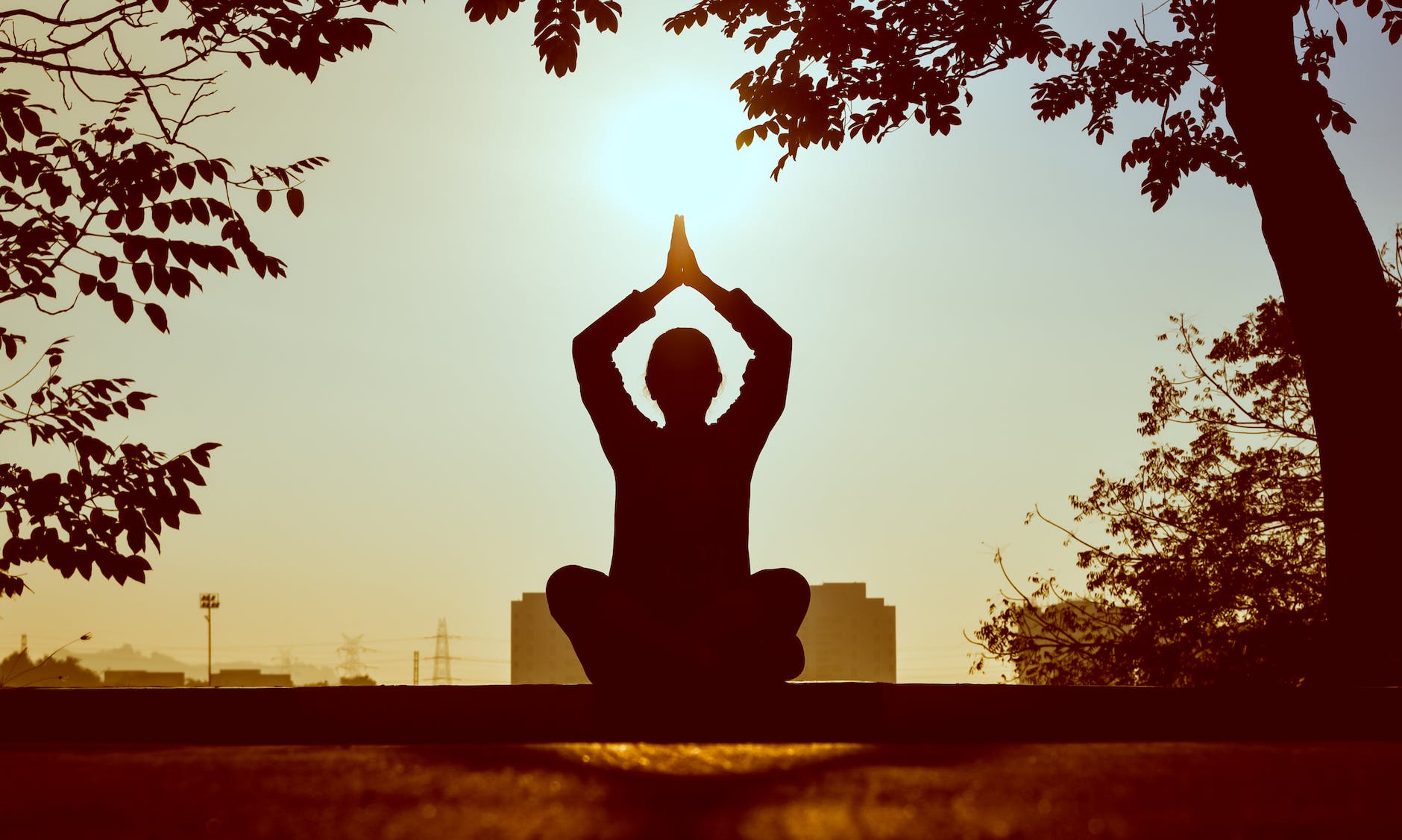
3) Manage Stress: Practice stress-reduction techniques such as deep breathing, mindfulness, or yoga to manage everyday stressors.

4) Establish Boundaries
Set healthy boundaries in your personal and professional life. Saying “no” when necessary is a form of self-care.

5) Break the Silence
If you notice someone in your life struggling with their mental health, lend a listening ear and offer support without judgment. Encourage them to seek professional help if needed.

6) Promote a Healthy Work-Life Balance
Don’t let work or other responsibilities consume your life. Make time for hobbies, relaxation, and spending quality time with loved ones.

7) Educate Yourself
Learn about mental health conditions and resources available in your community. Knowledge empowers you to support yourself and others effectively.

In conclusion, World Mental Health Day reminds us that mental health is not an abstract concept but a vital aspect of our lives. By raising awareness, breaking the stigma, and adopting practical strategies for better mental health, we can collectively work towards a world where everyone has the opportunity to thrive mentally and emotionally. So, let’s celebrate this day by taking steps to prioritize our mental well-being and supporting those around us on their journey to better mental health. Together, we can make a positive impact on the world, one mind at a time.


I

Who are your favorite artists?

I’m a huge fan of Justin Bieber, Anne Marie, Sia. And as an African, I like Davido, AG and Simi and Burna boy.

My Peace

What brings you peace?

I find peace in lots of things. But top of it all is Music, quality time with friends, long rides, my privacy.

Losing a Dream, Losing Your Mind: Can Lack of Sleep Really Drive You Bonkers?”

Most people know firsthand that sleep affects their mental state. After all, there is a reason it’s said that someone in a bad mood “woke up on the wrong side of the bed.” As it turns out, there’s quite a bit of truth behind this colloquial saying. Sleep is closely connected go mental and emotional health.

Sleep and mental health are deeply intertwined, with both elements significantly influencing each other. The quality and quantity of sleep can have a profound impact on one’s emotional well being, cognitive function and overall mental health. Let us explore the essential connection between sleep and mental health, how sleep disturbances can lead to mental health issues, the reciprocal relationship between the two and the importance of adopting healthy sleep habits to promote optimal mental well being.

SLEEP DISTURBANCES AND MENTAL HEALTH
There are many and different types of sleep problems and disturbances. The first and popular one is INSOMNIA. This problem involves difficulty in falling asleep. Insomnia can exacerbate stress, anxiety and depression, leading to a negative impact on mental health.
Another sleep problem is SLEEP APNEA. This is the brief interruption of breathing while sleeping. This interrupts sleep patterns and it affects emotional regulation and cognitive function. It can potentially lead to mood disorder.
There’s also CIRCADIAN RHYTHM DISORDER which is the disruption to the body’s biological clock. We all know the human body wake in the morning and is active during the day and shuts down to sleep at night. However irregular sleep-wake cycles can disrupt the body’s natural internal clock, contributing to mood fluctuations and other mental health challenges.

THE RECIPROCAL RELATIONSHIP
Mental Health affects sleep. People with mental health disorders find it hard to sleep. For example, someone with Nyctophobia (fear of dark places) would find it hard to sleep in a room without a lighted bulb. Therefore, mental health discords like anxiety, depression and PTSD can disrupt sleep patterns, leading to sleep disorders.
On the other hand, sleep is vital for memory consolidation, emotional processing and maintaining cognitive abilities. Inadequate sleep can lead to impaired mental function.

IMPACT ON COGNITIVE FUNCTION
i) Memory and Learning:
Sufficient sleep enhances memory retention and learning capabilities, promoting better cognitive function and mental sharpness.
ii) Decision-making
Sleep deprivation can impair judgement and decision making abilities. It also increases the likelihood of mood related issues

ADOPTING HEALTHY SLEEP HABITS
1) Maintain a regular sleep-wake routine. It helps regulate the body’s internal clock and improves overall sleep quality.
2) Create a comfortable and relaxing sleep environment. It promotes better sleep and reduces sleep disturbances.
3) Reduce caffeine, nicotine and electronic device usage before bedtime. This can aid in falling asleep faster and enjoying deeper sleep.
4) Try to wind down and relax before bedtime by taking a warm bath, reading a book, or listening to soothing music.
5) Avoid eating a heavy meal before bedtime.
6) Make sure to get enough physical activity during the day.

DEALING WITH ANXIETY

Have you ever felt this way? You have a big presentation at work. In the days leading up to the presentation, you start to feel nervous. Your thoughts start to spiral and you start to worry about everything that could go wrong. You start thinking up lots of “what ifs”, (What if I flop it? What if I forget my lines? What if I forget the prototype? What if I’m not able to communicate well with my listeners? What if they don’t like the presentation? What if my equipments and gadgets fail to work? What if……? What if…….? What if………?). You have trouble sleeping, and when you wake up in the morning, you feel tired and sluggish. As the day goes on, your anxiety increases. By the time the presentation starts, your heart is racing, your hands are trembling, and you feel like you can’t breathe. You start sweating profusely. That is typically what happens when we are experiencing anxiety.

WHAT IS ANXIETY?
Anxiety is your body’s natural response to stress. It’s a feeling of fear or apprehension about what’s to come. Anxiety is also the feeling of dread and uneasiness. For example, going to a job interview or giving a speech on the first day of school or going to a party where you know only 5% of the people there may cause some people to feel fearful and nervous.

It’s normal to feel anxious about moving to a new place, starting a new job, or taking a test. This type of anxiety is unpleasant, but it may motivate you to work harder and do a better job. Ordinary anxiety is a feeling that comes and goes but doesn’t interfere with your everyday life. However, if the feeling of fear stays with you for a long time, then you’re experiencing anxiety disorder.

WHAT ARE ANXIETY DISORDERS?
Anxiety disorders are conditions in which you have anxiety that does not go away and can get worse over time. The fear is not temporary but overwhelming and intense. This type of anxiety may cause you to stop doing things you enjoy. For example, it may prevent you from entering an elevator, crossing the street, or even leaving your home in extreme cases. It can also interfere with daily activities like job performances, schoolwork and relationships.

There are several types of Anxiety Disorders, including:
i) General Anxiety Disorder (GAD):
This chronic disorder involves excessive, long lasting worries and anxiety about nonspecific life events,o objects or situations. GAD is the most common anxiety disorder and people with it are not always able to identify the cause of their anxiety.

ii) Panic Disorder
If you have a panic disorder, you get intense, sudden panic attacks, more intense feelings than other types of anxiety disorders. The feelings of terror may start suddenly and unexpectedly or they may come from a trigger, like facing a situation you dread. Panic attacks resemble heart attacks.

iii) Phobias
Phobias are intense fear for certain situations or objects. Some of these fears make sense, such as fear of snakes. But often,the level of fear doesn’t match the situation.
Like other anxiety disorders,you may spend a lot of time trying to avoid situations that may trigger the phobia. Some specific phobias include fear of animals (spiders, dogs, snakes), blood, height, injections (shots).

iv) Social Anxiety Disorder
This is a fear of adverse judgement from others in social situations or of public embarrassment. Social anxiety disorder includes a range of feelings such as stage fright, a fear of intimacy and anxiety around humiliation and rejection.

v) Separation Anxiety Disorder
This high anxiety level occurs after separation from a person or place that provides feelings of security or safety. This condition mostly happens to children or teens, who may worry about being away from their parents. Children with separation anxiety disorder may fear that their parents will be hurt in some way or may not come back as promised.

CAUSES OF ANXIETY

Experts aren’t sure of the exact cause of anxiety. But it’s likely that a combination of factors play a role. These factors may include:
i) Stress
ii) other medical issues e.g depression, diabetes
iii) genetics
iv) substance use/withdrawal
v) trauma/abuse
In addition, researchers believe that it stems from the areas of the brain responsible for controlling fear and the storing and retrieval of emotional and fear-related memories.

SYMPTOMS
The symptoms vary depending on the type of anxiety disorder you have. General symptoms of an anxiety disorder include:
Physical symptoms – cold or sweaty hands, dry mouth, heart palpitations, nausea, numbness, muscle tension, shortness of breath.
Mental symptoms –
Feeling panic, fear and uneasiness, nightmares, repeated thoughts or flashbacks of traumatic experiences, uncontrollable thoughts.
Behavioral symptoms –
Inability to be still and calm, ritualistic behaviors e.g washing hands repeatedly, trouble sleeping.

TREATMENT
The treatment for anxiety disorder can vary depending on the severity and individual needs. Common approaches include psychotherapy, cognitive-behavioral therapy (CBT), medication (such as selective serotonin reuptake inhibitors – SSRIs), and relaxation techniques. It’s essential to consult a qualified mental health professional for an accurate assessment and personalized treatment plan.

Also, certain lifestyle changes can effectively relieve some of the stress and anxiety you may cope with every day. They consist of caring for your body, participating in healthy activities and eliminating unhealthy ones. These include
i) getting enough sleep
ii) meditating
iii) staying active and exercising
iv) yoga
v) avoiding alcohol
vi) avoiding caffeine
vii) quit smoking cigarettes (if you do).

WHY SHOULD I MEDITATE?

Imagine a busy bee buzzing around from flower to flower, collecting pollen and nectar. The bee is focused and determined, but it’s also enjoying the beauty of the flowers. Then, the bee sees a patch of clover and decides to take a break. The bee settles down in the clover and takes a few moments to just enjoy the moment. It’s a brief respite from its busy schedule, and it allows the bee to recharge and refresh. This is similar to the experience of meditation.

Meditation is a mind-body practice in which your attention is focused on the mind for a period of time. It comes in many forms and can be practiced almost anywhere as long as you can be aware of your body and surroundings. Types of meditation vary throughout each person’s practice and can include –
a) breathing-based meditation
b) mindfulness practices
c) nature-based visualization
d) mantra and spiritual meditation.
There is no right or wrong way to do meditation. Meditation can be practiced alone, in a group or with a coach or therapist. Any activity can be meditative if we’re fully present.

Meditation can improve your quality of life thanks to its many psychological and physical benefits. Here are some benefits of meditation:

1) STRESS REDUCTION

Meditation has been shown to improve mental health, specifically in the area of stress. When faced with a difficult or stressful moment, our bodies create cortisol. Cortisol is a steroid hormone that is responsible for regulating stress and our natural fight-or-flight response, among many other functions. Chronic stress can cause sustained and elevated levels of cortisol, which can lead to other negative effects on your health, especially the cardiovascular and immune systems and gut health. Meditation focuses on calming the mind and regulating emotions. It also helps in reducing chronic stress in the body and lower the risk of its side effects.

2) STRENGTHENS IMMUNE SYSTEM HEALTH

Meditation has also been found to be an effective behavioral treatment for various conditions associated with a weakened immune system. Consistent meditation has been shown to reduce the body’s stress response. This results in less inflammation and decreased risk of conditions such as chronic pain, fatigue and heart disease.

3) ANXIETY MANAGEMENT

Meditation can help counter the effects of anxiety – often noted as overwhelming feelings of fear, worry and tension – by slowing down racing thoughts and regulating breathing, which calms the nervous system. Physical symptoms of anxiety can include sweating, dizziness or a rapid heart rate. These are caused by overthinking past or future outcomes. People with anxiety who regularly meditate experience positive and long-term impacts on their mental health.

4) IMPROVES MEMORY

While meditation is best known to help ease stress and anxiety, it can also improve your brain structure. When you practice meditation, your brain is able to produce more gray matter (researchers found in one study). Gray matter is crucial for healthy brain cognition, as it protects the hippocampus, the part of our brain connected to the memory. It is also crucial for basic human functions, including our ability to control movement and emotions.

5) MOOD REGULATION

When practiced over time, meditation has the ability to change how you emotionally react to situations. Elements of meditation, which generally include mindfulness and controlled breathing, can lead to less impulsive reactions. This means that instead of reacting from a heightened emotional state such as anger or panic, people who practice regular meditation may gain the ability to more successfully regulate and control their mood and reactions.

There are many different ways to meditate. Here’s a simple, step-by-step guide to meditation:
i) Find a comfortable, quiet place to sit or lie down.
ii) Close your eyes and take a few deep breaths.
iii) Notice the rise and fall of your chest as you breathe.
iv) If thoughts come into your mind, acknowledge them and then let them go.
v) Return your focus to your breath.
vi) Keep breathing and focusing on your breath for 5-10 minutes.
vii) When you’re ready, open your eyes and notice how you feel.

UNDERSTANDING MENTAL HEALTH

Just as the physical health exists, the mental health also does. Over the years, much focus has been placed on the physical health. Lots of care and attention has been given to the physical health. Once you feel ill, you go to the hospital for check and diagnosis. If you have an injury, you get it treated and covered. You exercise and eat balanced meals so your body would be hale and hearty. But what about the Mental Health? Are there Mental Health hospitals? Are there medical apparatuses or equipment to check the mental health?

In some societies where orientation and information about mental health isn’t popular and common, when there’s a mention of “mental health”, the first thing they reason is someone with mental illness or a lunatic. This shows the fact that certain societies aren’t well informed about what the mental health is, its importance, how to care for it, how certain activities and situations can affect it and how to improve the mental health. Therefore, starting from the basis, WHAT IS MENTAL HEALTH?

Mental Health is an integral aspect of our overall well-being. It refers to our psychological, emotional and social wellbeing. It encompasses how we think, feel, and act and it influences how we handle stress, build relationships and make decisions. Just as physical health is crucial for a healthy body, mental health is vital for a balanced mind and fulfilling life.

Understanding the significance of mental health is essential. Good mental health enables individuals to cope with daily challenges, maintain healthy relationships and achieve their full potential. It promotes productivity, résilience and a positive outlook on life.

THE COMPONENTS OF MENTAL HEALTH

Emotional Well-being: This aspect focuses on recognizing and managing emotions effectively. It involves the ability to cope with stress, bounce back from adversity, and maintain a positive outlook on life.

Cognitive Well-being: Cognitive health relates to our thought patterns, problem-solving skills, and decision-making abilities. A healthy cognitive state enables clear thinking and rational judgment.

Social Well-being: Social health is about forming meaningful connections with others, nurturing supportive relationships, and being a part of a community. Positive social interactions play a pivotal role in promoting mental wellness.

Numerous factors can influence mental health. Biological factors such as genetics and brain chemistry can predispose individuals to certain mental health conditions. Life experiences, including trauma, abuse, or neglect, can also impact mental well-being. Furthermore, environmental factors like socioeconomic status, access to healthcare, and social support networks play a role in shaping mental health outcomes.

Mental health disorders are prevalent and come in various forms. Anxiety disorders, depression, bipolar disorder, schizophrenia, and eating disorders are some common examples. These conditions can severely affect an individual’s thoughts, emotions, and behaviors, often requiring professional intervention and treatment.

Unfortunately, mental health stigma and misconceptions persist in society. People with mental health issues may face discrimination, judgment, or avoidance, which can lead to social isolation and reluctance to seek help. Educating society about mental health, promoting empathy, and fostering an inclusive environment are essential steps in combating this stigma.

Seeking help and support is critical for individuals experiencing mental health challenges. Mental health professionals, such as psychiatrists, psychologists, counselors, and therapists, are equipped to provide diagnosis, treatment, and support. Additionally, support from family, friends, and support groups can play a pivotal role in the recovery process.

Promoting mental health and well-being involves various strategies. Early intervention and prevention programs, accessible mental health services, and community support initiatives are vital in addressing mental health issues proactively. Employers can also contribute by creating supportive work environments that prioritize employee mental health.

In conclusion, mental health is a fundamental aspect of a person’s overall health and well-being. It impacts how we think, feel, and function in our daily lives. Understanding the factors that influence mental health, recognizing common mental health disorders, and challenging stigmas are crucial steps in promoting a mentally healthy society. By fostering a culture that encourages seeking help and support, we can create a more compassionate and resilient community where everyone can thrive.

THE BODY AND THE MIND

Human beings are made up of ,what I’ll call, two compartments. These are the body and the mind. Every person has a body (physical element) and a mind (mental element). These two are put in place for the proper functioning of the human person. Hence, they both need utmost care and attention.?

The mind is a remarkable and complex aspect of human existence. It encompasses the processes of perception, cognition, emotion, and consciousness, shaping our thoughts, feelings, and actions. Throughout history, the nature of the mind has been a subject of fascination and exploration in philosophy, psychology, neuroscience, and other fields.
At its core, the mind is the seat of consciousness, where we experience the world around us and the inner workings of our own being. It allows us to process information from our senses, giving rise to our understanding of the external environment. Simultaneously, the mind processes internal stimuli, such as memories, emotions, and desires, influencing our perceptions and reactions.

The body is the physical vessel that houses the mind. It consists of bones, muscles, and organs that work together to keep the body alive and functioning. The body’s primary purpose is to maintain homeostasis, or balance, by keeping the internal environment stable and adapting to external changes.
The body is made up of trillions of cells that perform various functions, from respiration and digestion to reproduction and sensory perception. These cells are organized into organs and organ systems, such as the circulatory system, the nervous system, and the immune system. Together, these systems work to keep the body functioning properly.

The relationship between the body and mind is complex and interconnected. It refers to the way our physical wellbeing and mental processes influence each other. The body and mind are not separate entities – rather, they are intertwined and work together to create a sense of self. The body is the physical manifestation of the mind, and the mind is the psychological aspect of the body.
The body and mind are constantly communicating with each other through chemical signals, electrical impulses, and other physiological processes. For example, the body releases hormones such as adrenaline and cortisol when the mind experiences stress or anxiety.

Factors like exercise, nutrition, and sleep can impact our mental state, while emotions and thoughts can affect our physical health. This intricate relationship is often studied in fields like psychology, neuroscience, and medicine to understand how the two aspects work together to shape our overall well-being.T

he body and mind are not separate, but rather are deeply interconnected. The body’s physical health can impact the mind’s psychological state, and vice versa. This means that taking care of both the body and mind is important for overall well-being.
By eating a nutritious diet, exercising regularly, and getting enough sleep, you can keep your body healthy and your mind sharp. Additionally, by practicing stress-reduction techniques, such as meditation and yoga, you can boost both your physical and mental health.he body and mind are not separate, but rather are deeply interconnected. The body’s physical health can impact the mind’s psychological state, and vice versa. This means that taking care of both the body and mind is important for overall well-being. By eating a nutritious diet, exercising regularly, and getting enough sleep, you can keep your body healthy and your mind sharp. Additionally, by practicing stress-reduction techniques, such as meditation and yoga, you can boost both your physical and mental health.

In conclusion, the body and mind are not separate, but rather are deeply interconnected. The body’s physical health can impact the mind’s psychological state, and vice versa. This means that taking care of both the body and mind is important for overall well-being.
By eating a nutritious diet, exercising regularly, and getting enough sleep, you can keep your body healthy and your mind sharp. Additionally, by practicing stress-reduction techniques, such as meditation and yoga, you can boost both your physical and mental health.